Why Is the IVF Laboratory So Important for Surrogacy in Mexico?
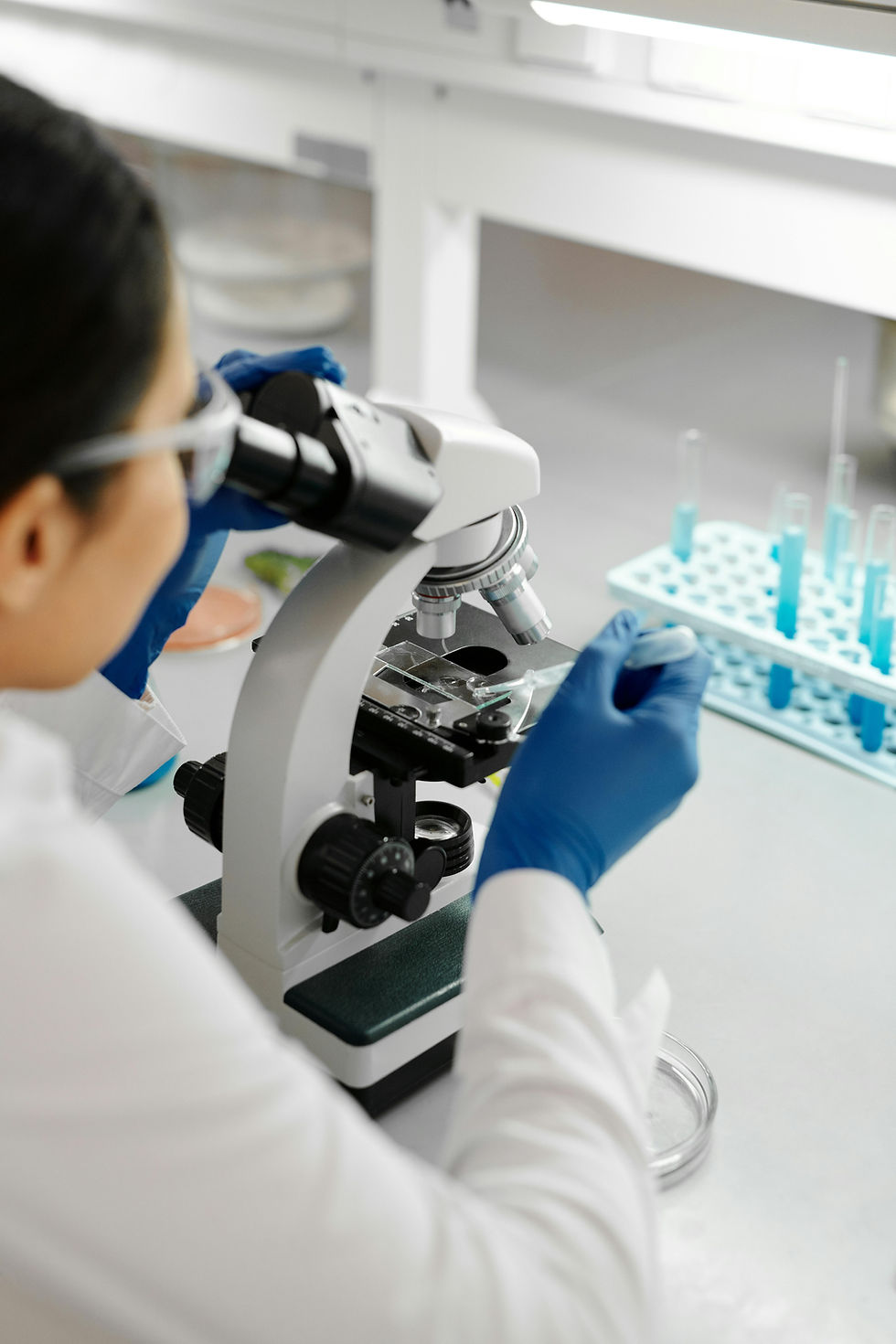
As more families explore assisted reproduction, surrogacy in Mexico has become an important option for intended parents pursuing their family-building goals. When comparing fertility centers, many people focus on physicians, success rates, and costs, while overlooking another equally critical factor—the laboratory. In reality, every step from egg retrieval and embryo creation to embryo transfer depends on laboratory support. The quality of the laboratory directly affects the stability of the IVF process and the quality of the embryos.
Why Is the Laboratory So Important in the IVF Process?
IVF is much more than simply bringing eggs and sperm together for fertilization. A large portion of what determines whether an embryo develops successfully takes place inside the laboratory.
After egg retrieval, fertilization, embryo culture, observation, selection, and cryopreservation are all performed under carefully controlled laboratory conditions. Temperature, humidity, air quality, culture media, and standardized operating procedures all influence embryo development.
As a result, even with highly experienced physicians, inadequate laboratory conditions may affect treatment outcomes.
Why Does Embryo Culture Require a High-Quality Laboratory?
Fertilization is only the beginning. The real challenge is supporting stable embryo development.
Modern assisted reproductive technology typically cultures embryos to the blastocyst stage. Compared with early-stage embryos, blastocysts have undergone multiple rounds of cell division and provide a more objective indication of developmental potential. Producing high-quality blastocysts consistently requires a mature culture system and an experienced embryology team.
A high-standard laboratory not only maintains precise culture conditions but also continuously monitors embryo development to minimize the impact of environmental fluctuations.
IVF-PGT Also Depends on Laboratory Expertise
Today, many fertility centers incorporate IVF-PGT into their treatment process.
Embryo genetic testing helps identify embryos with stronger developmental potential, improves overall pregnancy efficiency, and reduces the risk of miscarriage caused by chromosomal abnormalities. This has become one of the major advantages of modern assisted reproductive technology.
Successfully performing IVF-PGT depends not only on testing equipment but also on advanced embryo biopsy techniques, reliable vitrification and warming protocols, and rigorous laboratory quality control. Every detail can influence testing accuracy and embryo survival.
From physician evaluation and laboratory culture to embryo selection, every stage is closely connected. Understanding these key aspects in advance can help intended parents make more informed decisions about their fertility journey. Power Fertility Clinic is located in the heart of Mexico City, just 500 meters from the U.S. Embassy. It is a fully licensed fertility center directly managed by a U.S. reproductive medicine organization and operates under FDA standards. Power IVF offers comprehensive services including egg donation, sperm donation, and gestational surrogacy, integrating U.S. egg freezing technology and IVF-PGT (PGT-A) to meet the diverse needs of intended parents. The clinic features an advanced laboratory and an experienced specialist team to ensure accurate and efficient embryo screening. Mexican law allows IVF treatment and gender selection for all individuals, while supporting the importation of frozen sperm, eggs, and embryos. Power IVF is licensed to receive reproductive samples from overseas, helping families achieve their dream of parenthood.


Comments